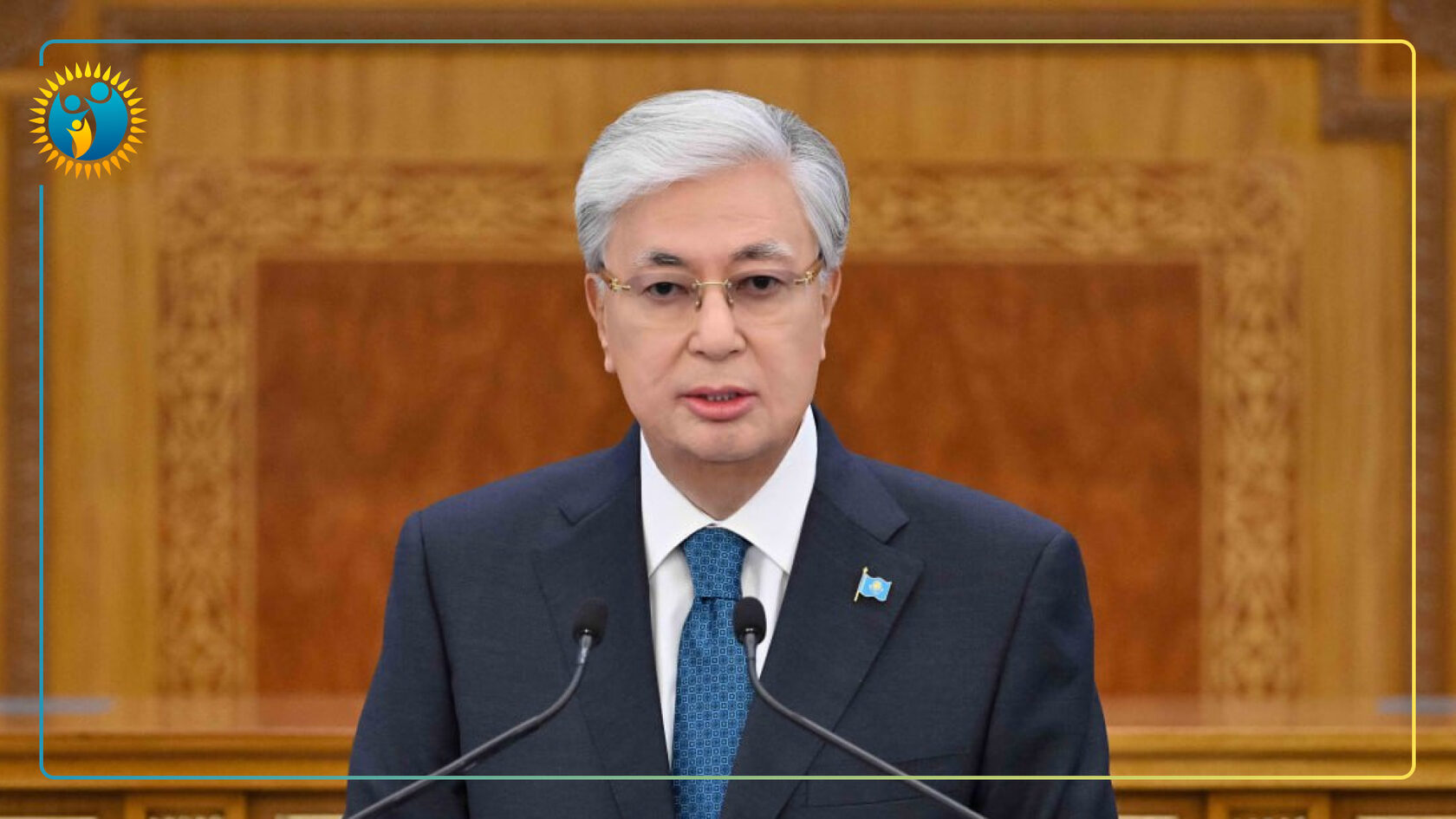
On September 8, 2025, President of Kazakhstan Kassym-Jomart Tokayev, in his annual Address to the Nation, announced a number of key initiatives defining the country’s socio-economic development. One of them was the creation of a Center for the Analysis and Forecasting of Demographic Processes under the Agency for Strategic Planning and Reforms.
The new Center will conduct systematic research in the fields of natural population growth, internal and external migration, labor market dynamics, urbanization, and regional imbalances. It will also assess the long-term burden on social policy and the pension system. According to the President, the country currently lacks a system for tracking and monitoring migration flows both within Kazakhstan and beyond, which leads to increased pressure on Astana’s infrastructure. The Center will provide the Government of Kazakhstan and local authorities with accurate maps and short-term forecasts to support timely socio-economic decision-making.
President Tokayev also instructed the development of the Qazaq Digital Mektebi project to ensure rural schools have access to quality educational materials. This initiative will not only increase the share of teachers and students mastering artificial intelligence but will also directly impact the labor market and human resource policy. New curricula for students, teachers’ skills in working with AI technologies, and tools for distance learning are aimed at ensuring equal educational opportunities.
In the healthcare sector, important measures were also announced. As part of the national project Modernization of Rural Healthcare, hundreds of facilities have been built in recent years, with another 115 to be commissioned by the end of this year. In addition, the President instructed the introduction of an AI-based monitoring system for the volume and quality of medical services, which will help balance the demographic load on social infrastructure.
Special attention was given to water resources. The President emphasized the growing problems of water scarcity and the need to establish a national water balance and a unified digital platform. The platform, powered by artificial intelligence, will collect data on surface and groundwater, build regional risk maps, and enhance the efficiency of agriculture, ecology, and regional planning.
The Address also touched upon the key principles of social stability and public harmony: rule of law, zero tolerance for violations, patriotism, unity and mutual respect in society, as well as educating youth in the spirit of traditions and moral values.
Currently, the average age of Kazakhstan’s population is 32 years, compared to over 44 years in the European Union. Thus, young people make up one-third of the population, and the broader age group up to 35 years is a strategic resource for the country’s future.
Earlier, the National Commission for Women Affairs, Family and Demographic Policy under the President of the Republic of Kazakhstan, together with professional communities and the Association of Demographers, presented recommendations on Kazakhstan’s demographic development. The creation of the Center is the next step in implementing these proposals.
According to experts, the new institution will open opportunities for designing an effective demographic strategy aimed at fully unlocking the potential of youth.
As Kassym-Jomart Tokayev noted, the main goal of reforms is to improve the quality of life of Kazakh citizens, ensure access to services and infrastructure, and strengthen confidence in the future. The establishment of the Center for the Analysis and Forecasting of Demographic Processes is a key step toward the strategic use of youth potential and ensuring the country’s sustainable socio-economic future.
The new Center will conduct systematic research in the fields of natural population growth, internal and external migration, labor market dynamics, urbanization, and regional imbalances. It will also assess the long-term burden on social policy and the pension system. According to the President, the country currently lacks a system for tracking and monitoring migration flows both within Kazakhstan and beyond, which leads to increased pressure on Astana’s infrastructure. The Center will provide the Government of Kazakhstan and local authorities with accurate maps and short-term forecasts to support timely socio-economic decision-making.
President Tokayev also instructed the development of the Qazaq Digital Mektebi project to ensure rural schools have access to quality educational materials. This initiative will not only increase the share of teachers and students mastering artificial intelligence but will also directly impact the labor market and human resource policy. New curricula for students, teachers’ skills in working with AI technologies, and tools for distance learning are aimed at ensuring equal educational opportunities.
In the healthcare sector, important measures were also announced. As part of the national project Modernization of Rural Healthcare, hundreds of facilities have been built in recent years, with another 115 to be commissioned by the end of this year. In addition, the President instructed the introduction of an AI-based monitoring system for the volume and quality of medical services, which will help balance the demographic load on social infrastructure.
Special attention was given to water resources. The President emphasized the growing problems of water scarcity and the need to establish a national water balance and a unified digital platform. The platform, powered by artificial intelligence, will collect data on surface and groundwater, build regional risk maps, and enhance the efficiency of agriculture, ecology, and regional planning.
The Address also touched upon the key principles of social stability and public harmony: rule of law, zero tolerance for violations, patriotism, unity and mutual respect in society, as well as educating youth in the spirit of traditions and moral values.
Currently, the average age of Kazakhstan’s population is 32 years, compared to over 44 years in the European Union. Thus, young people make up one-third of the population, and the broader age group up to 35 years is a strategic resource for the country’s future.
Earlier, the National Commission for Women Affairs, Family and Demographic Policy under the President of the Republic of Kazakhstan, together with professional communities and the Association of Demographers, presented recommendations on Kazakhstan’s demographic development. The creation of the Center is the next step in implementing these proposals.
According to experts, the new institution will open opportunities for designing an effective demographic strategy aimed at fully unlocking the potential of youth.
As Kassym-Jomart Tokayev noted, the main goal of reforms is to improve the quality of life of Kazakh citizens, ensure access to services and infrastructure, and strengthen confidence in the future. The establishment of the Center for the Analysis and Forecasting of Demographic Processes is a key step toward the strategic use of youth potential and ensuring the country’s sustainable socio-economic future.