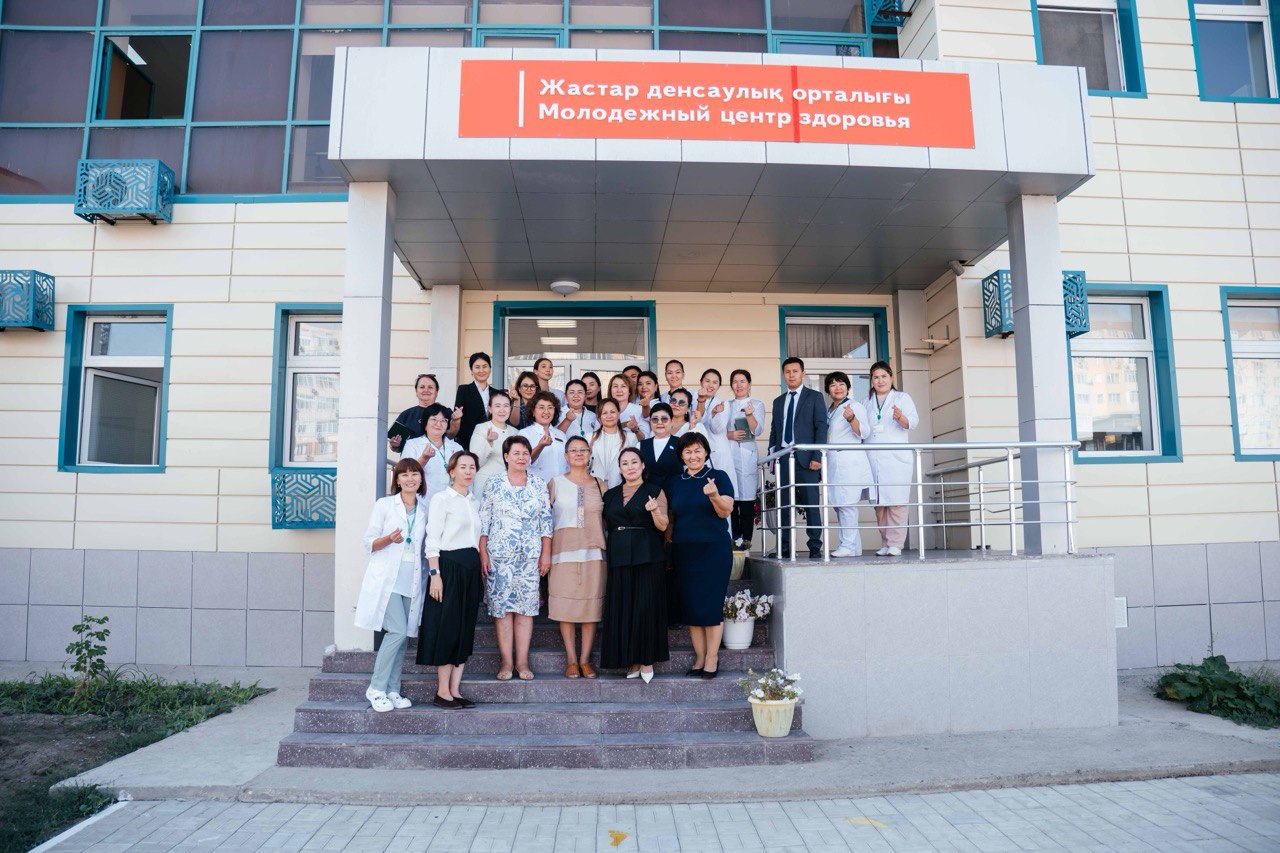
On August 25–26, members of the National Commission for Women Affairs, Family and Demographic Policy under the President of the Republic of Kazakhstan visited the Atyrau Region. The delegation was led by Deputy Chair of the Commission Elena Tarasenko and regional curator, CEO of the Samruk-Kazyna Trust Foundation, Alfiya Adiyeva.
In Zhylyoi and Makat districts, members of the Commission met with large families, the Mothers’ Council, the Council of Businesswomen, and visited Family Support Centers as well as a correctional center where 150 children with special needs undergo rehabilitation annually.
Particular attention during the visit was given to the issue of adolescent reproductive health. At a regional seminar in Atyrau, alarming statistics were presented: in the first 7 months of 2025 alone, 63 cases of pregnancy among minors were registered; in 2024 — 127 cases; and over the past four years — around 600 cases.
According to the National Center for Public Health, only 8% of adolescents aged 15–18 use contraception. Out of fear of judgment, many avoid seeking medical help and instead rely on advice from the internet, which often leads to complications, infertility, and even fatal outcomes.
Meanwhile, Youth Health Centers and Family Support Centers operate in the region, where assistance is provided free of charge and confidentially. However, not everyone is aware of these services.
“Teenage pregnancy is not only about the fate of the girls themselves but also a challenge for the region’s social development. We must unite the efforts of the state, schools, medical organizations, and parents so that every girl knows: help exists, and it is available without fear,” noted Commission member Alfiya Adiyeva.
Based on the outcomes of the seminar, the Commission recommended strengthening preventive work in schools and colleges, expanding the network of Youth Health Centers, and increasing adolescents’ trust in professionals. Special attention will be given to an information campaign: plans include more active use of social media, hotlines, and mobile outreach groups so that every teenager knows where and how to get support.
In Zhylyoi and Makat districts, members of the Commission met with large families, the Mothers’ Council, the Council of Businesswomen, and visited Family Support Centers as well as a correctional center where 150 children with special needs undergo rehabilitation annually.
Particular attention during the visit was given to the issue of adolescent reproductive health. At a regional seminar in Atyrau, alarming statistics were presented: in the first 7 months of 2025 alone, 63 cases of pregnancy among minors were registered; in 2024 — 127 cases; and over the past four years — around 600 cases.
According to the National Center for Public Health, only 8% of adolescents aged 15–18 use contraception. Out of fear of judgment, many avoid seeking medical help and instead rely on advice from the internet, which often leads to complications, infertility, and even fatal outcomes.
Meanwhile, Youth Health Centers and Family Support Centers operate in the region, where assistance is provided free of charge and confidentially. However, not everyone is aware of these services.
“Teenage pregnancy is not only about the fate of the girls themselves but also a challenge for the region’s social development. We must unite the efforts of the state, schools, medical organizations, and parents so that every girl knows: help exists, and it is available without fear,” noted Commission member Alfiya Adiyeva.
Based on the outcomes of the seminar, the Commission recommended strengthening preventive work in schools and colleges, expanding the network of Youth Health Centers, and increasing adolescents’ trust in professionals. Special attention will be given to an information campaign: plans include more active use of social media, hotlines, and mobile outreach groups so that every teenager knows where and how to get support.