On August 18–19, 2025, members of the National Commission for Women Affairs, Family and Demographic Policy under the President of the Republic of Kazakhstan conducted a working visit to the North Kazakhstan Region.
The delegation included members of the National Commission — Gauhar Nurakhmetova and Elena Semidotskikh.
This visit was not a one-time initiative but rather a consistent and purposeful step toward ensuring the health of the younger generation, fostering reproductive culture, and creating a safe social environment. The main goal of the working visit was to study mechanisms for preventing early pregnancy among adolescents and young people, to ensure access to quality medical and informational services, and to conduct a comprehensive analysis of the current situation in the region.
Over the course of two days, the members of the Commission visited City Polyclinics No. 1, No. 2, and No. 3 in Petropavlovsk, the multidisciplinary hospital in the Taiynsha District, and a number of social institutions in the Zhambyl District. At each location, meetings were held with representatives of the regional administration (akimat), healthcare and education organizations. The discussions centered on the availability of medical, psychological, and social services, preventive work with parents and teachers, staffing needs, and the effectiveness of information campaigns.
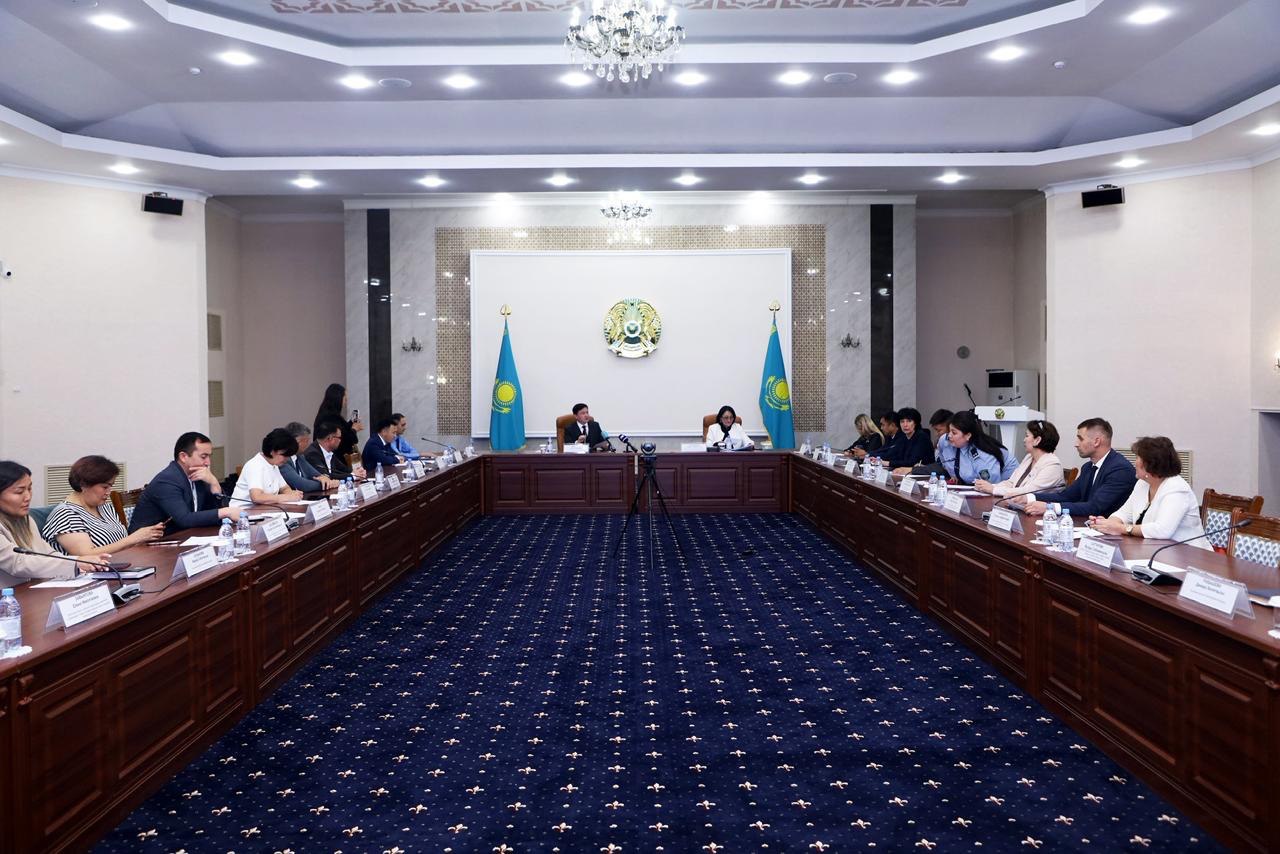
The key event of the visit was the regional seminar “Uniting Efforts – Preserving the Reproductive Health of Youth”, held on August 18 in Petropavlovsk. The platform brought together specialists from various fields, representatives of central and local government bodies, non-governmental organizations, healthcare and education institutions, as well as members of the regional commission.
During the seminar, participants highlighted the projects being implemented in the region, the results achieved, and the pressing challenges that remain. It was particularly emphasized that youth health is not only the responsibility of the healthcare system but also a shared responsibility of society as a whole.
The working visit of the National Commission was aimed not only at monitoring the implementation of state youth policy on the ground but also at strengthening cooperation between government structures and civil society, while developing sustainable solutions for protecting the health of future generations.
The delegation included members of the National Commission — Gauhar Nurakhmetova and Elena Semidotskikh.
This visit was not a one-time initiative but rather a consistent and purposeful step toward ensuring the health of the younger generation, fostering reproductive culture, and creating a safe social environment. The main goal of the working visit was to study mechanisms for preventing early pregnancy among adolescents and young people, to ensure access to quality medical and informational services, and to conduct a comprehensive analysis of the current situation in the region.
Over the course of two days, the members of the Commission visited City Polyclinics No. 1, No. 2, and No. 3 in Petropavlovsk, the multidisciplinary hospital in the Taiynsha District, and a number of social institutions in the Zhambyl District. At each location, meetings were held with representatives of the regional administration (akimat), healthcare and education organizations. The discussions centered on the availability of medical, psychological, and social services, preventive work with parents and teachers, staffing needs, and the effectiveness of information campaigns.
The key event of the visit was the regional seminar “Uniting Efforts – Preserving the Reproductive Health of Youth”, held on August 18 in Petropavlovsk. The platform brought together specialists from various fields, representatives of central and local government bodies, non-governmental organizations, healthcare and education institutions, as well as members of the regional commission.
During the seminar, participants highlighted the projects being implemented in the region, the results achieved, and the pressing challenges that remain. It was particularly emphasized that youth health is not only the responsibility of the healthcare system but also a shared responsibility of society as a whole.
The working visit of the National Commission was aimed not only at monitoring the implementation of state youth policy on the ground but also at strengthening cooperation between government structures and civil society, while developing sustainable solutions for protecting the health of future generations.