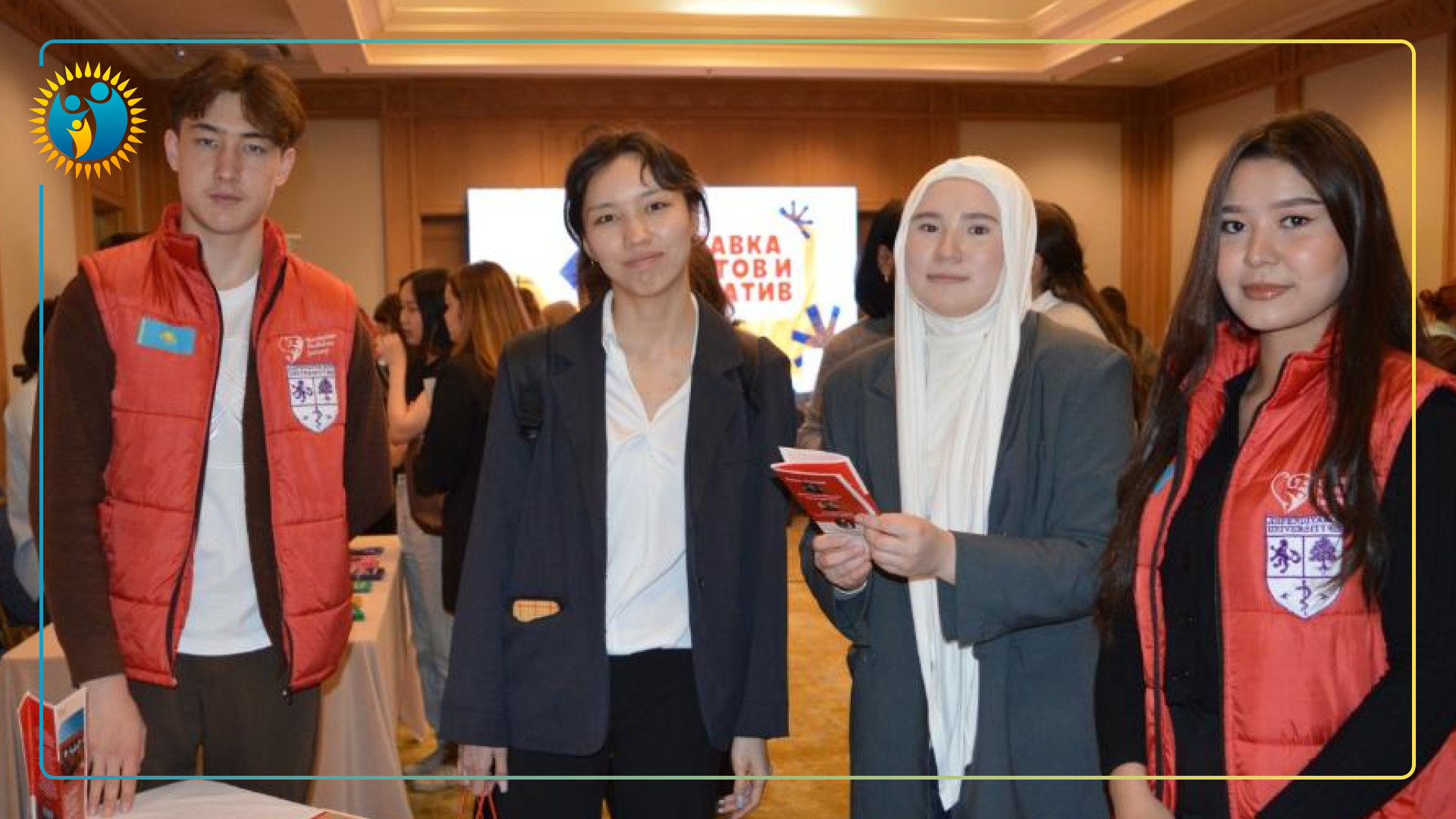
On 8–9 April 2026, Almaty hosted the 5th anniversary International Scientific and Practical Conference “Reproductive Health of Adolescents and Young People”, organized by the Kazakhstan Association on Sexual and Reproductive Health as part of its 30th anniversary.
The conference addressed the protection of reproductive health of adolescents and young people, prevention of early pregnancy and sexually transmitted infections, promotion of healthy behavioral habits, as well as cooperation between the healthcare system, the education sector, and the family. Particular attention was given to the relevance of the annual Reproductive Health Week initiated by the National Commission for Women Affairs, Family and Demographic Policy under the President of the Republic of Kazakhstan.
Speaking at the opening of the conference, Nurtore Zhussip, Chairman of the Committee on Social and Cultural Development and Science of the Senate of the Parliament of the Republic of Kazakhstan, emphasized that issues related to the reproductive health of adolescents and young people are directly linked to the country’s demographic development, the quality of human capital, and the sustainability of social policy.
According to UNFPA data for 2025, around 3 percent of girls aged 15–19 in Kazakhstan face unintended pregnancy. More than 60 percent of adolescents are unaware of methods of protection against sexually transmitted infections and unintended pregnancy, while only 9 percent are informed about the ways HIV is transmitted. These data confirm the need to further strengthen awareness-raising and preventive work.
The event brought together members of the Senate of the Parliament of the Republic of Kazakhstan, members of the National Commission, representatives of the Ministry of Healthcare, local executive bodies, профильные organizations, as well as international and non-governmental institutions. Participants included doctors, teachers, psychologists, and youth trainers.
Following the discussion, participants noted the need for consistent interagency cooperation, broader access of adolescents and young people to quality information, and further development of open professional dialogue involving parents, teachers, and healthcare professionals.
The conference addressed the protection of reproductive health of adolescents and young people, prevention of early pregnancy and sexually transmitted infections, promotion of healthy behavioral habits, as well as cooperation between the healthcare system, the education sector, and the family. Particular attention was given to the relevance of the annual Reproductive Health Week initiated by the National Commission for Women Affairs, Family and Demographic Policy under the President of the Republic of Kazakhstan.
Speaking at the opening of the conference, Nurtore Zhussip, Chairman of the Committee on Social and Cultural Development and Science of the Senate of the Parliament of the Republic of Kazakhstan, emphasized that issues related to the reproductive health of adolescents and young people are directly linked to the country’s demographic development, the quality of human capital, and the sustainability of social policy.
According to UNFPA data for 2025, around 3 percent of girls aged 15–19 in Kazakhstan face unintended pregnancy. More than 60 percent of adolescents are unaware of methods of protection against sexually transmitted infections and unintended pregnancy, while only 9 percent are informed about the ways HIV is transmitted. These data confirm the need to further strengthen awareness-raising and preventive work.
The event brought together members of the Senate of the Parliament of the Republic of Kazakhstan, members of the National Commission, representatives of the Ministry of Healthcare, local executive bodies, профильные organizations, as well as international and non-governmental institutions. Participants included doctors, teachers, psychologists, and youth trainers.
Following the discussion, participants noted the need for consistent interagency cooperation, broader access of adolescents and young people to quality information, and further development of open professional dialogue involving parents, teachers, and healthcare professionals.